Blog
Cycling is far more than simply pedaling from point A to point B. Whether you’re a daily commuter navigating rush hour traffic, a weekend warrior chasing personal records, or someone exploring the social side of the sport, the decisions you make—about equipment, technique, safety, and community—shape your entire experience on two wheels. The difference between a frustrating ride and a transformative one often comes down to understanding the nuances that experienced cyclists take for granted.
This resource brings together the essential knowledge every cyclist needs across ten key areas: from choosing equipment that matches your actual riding style to maintaining it properly, from staying visible and legal on busy roads to finding the right cycling community. These aren’t abstract theories—they’re practical insights drawn from real-world challenges that riders face daily, whether that’s dealing with aggressive drivers, preventing bike theft, or simply staying motivated when the weather turns hostile.
Choosing Equipment That Matches Your Riding Reality
The cycling industry excels at selling aspirational performance, but the equipment that works for professional racers often misses the mark for everyday riders. Understanding the real-world implications of your choices prevents expensive mistakes and enhances your actual riding experience.
Frame Stiffness and the Perception of Speed
A stiffer frame creates a tangible sensation of responsiveness that many riders interpret as “faster,” even when power meter data tells a different story. This placebo effect isn’t meaningless—if a bike feels faster, you’re more likely to ride harder and enjoy the experience. The trade-off comes in comfort: that same stiffness transmits every road imperfection directly to your body. Think of it like the difference between a sports car and a luxury sedan covering the same distance at the same speed—one feels more engaging, the other less fatiguing.
Tubular Tires: Performance vs. Practicality
Professional cyclists continue choosing tubulars for critical descents because a punctured tubular remains rideable far longer than a clincher, potentially preventing a crash at 60+ km/h. For amateur riders, however, the hidden costs accumulate quickly: specialized tape or glue, the inability to repair roadside punctures, and replacement costs that dwarf standard tires. Unless you’re regularly descending alpine passes at race speeds, the safety advantage rarely justifies the maintenance burden.
E-Bikes: Understanding Depreciation and Legal Limits
E-bikes lose value significantly faster than traditional bicycles—often 30-40% in the first year alone—because the technology evolves rapidly and battery degradation is inevitable. More critically, derestricting your e-bike beyond the legal 15.5 mph assist limit doesn’t just void warranties; it invalidates your insurance and potentially reclassifies your vehicle legally, exposing you to serious liability. The temporary thrill of higher speeds isn’t worth the permanent financial risk.
Maintenance That Actually Extends Component Life
Proper maintenance isn’t about obsessive cleaning rituals—it’s about strategic interventions that double or triple the lifespan of expensive components. Two practices stand out for their dramatic impact on drivetrain longevity and overall bike performance.
Chain Waxing vs. Traditional Lubrication
Waxing your chain creates a dry, clean surface that doesn’t attract the abrasive grit that grinds down chain links and cassette teeth. Riders who switch to waxing routinely report doubled chain life and cassettes that last through three or four chains instead of one or two. The process requires more upfront effort—stripping factory grease, melting wax, and re-waxing periodically—but the reduction in cleaning frequency and component replacement costs makes it worthwhile for high-mileage riders.
Proper Disposal of Bike Cleaning Products
That black sludge left after degreasing your drivetrain contains petroleum products, heavy metals from brake pads, and microplastics from tire wear—none of which belong in storm drains or soil. The responsible approach involves letting solids settle, decanting the cleaner liquid for hazardous waste collection, and disposing of the remaining sludge at designated facilities. It’s an unglamorous aspect of maintenance, but it prevents environmental contamination that affects watersheds and ecosystems far beyond your workshop.
Training Smart: Recognizing Your Body’s Warning Signs
The line between productive training and overtraining is surprisingly narrow, and crossing it can derail weeks or months of progress. Your body broadcasts warning signs well before complete breakdown—you just need to recognize them.
The early indicators of overtraining rarely appear during rides. Instead, watch for heavy legs that persist across multiple rest days, mood changes that seem disproportionate to life circumstances, and declining motivation for rides you normally enjoy. These psychological and physical signals often precede measurable performance decline. Think of them as your body’s check engine light: ignore them, and you’ll eventually face a much more serious breakdown.
Traditional metrics like FTP (Functional Threshold Power) measure your sustained aerobic capacity but tell you nothing about your anaerobic reserves—your ability to respond to attacks, sprint for town signs, or close gaps. It’s the difference between engine displacement and turbo boost: one measures steady-state capacity, the other explosive potential. This explains why some riders with modest FTP values excel in dynamic racing situations while time-trial specialists struggle when the pace turns erratic.
Commuting by Bike: Solving the Practical Challenges
Bike commuting becomes sustainable when you solve the unglamorous practical problems that derail good intentions. These aren’t about fitness or motivation—they’re about systems that work when conditions are imperfect.
Freshening Up Without Showers
The “sink wash” protocol saves countless commutes when workplace showers don’t exist. The essentials: washcloth, soap, deodorant, and privacy. Target the critical zones—underarms, face, neck, and chest—with soapy water, rinse with a clean damp cloth, dry thoroughly, and apply fresh deodorant. A complete refresh takes under five minutes in a bathroom stall. The psychological shift matters as much as the physical one: you’re not “getting away with” something inferior, you’re adapting intelligently to constraints.
Maintaining Motivation in Hostile Weather
Dark November mornings with sideways rain destroy motivation faster than any physical challenge. The solution isn’t mental toughness—it’s reducing decision points. Prepare everything the night before: bike by the door, clothing laid out, lights charged, route planned. When the alarm sounds, you’re executing a checklist, not making a choice. The ride itself is often fine; it’s the pre-ride resistance that kills the habit.
The Economics of Ditching the Second Car
The true cost of car ownership extends far beyond purchase price and fuel. When you calculate insurance, maintenance, depreciation, parking, and registration, many households discover their second vehicle costs £3,000-5,000 annually or more. Replacing even half those trips with bike commuting—supplemented by occasional car sharing or public transport—creates substantial savings that justify investing in quality bikes, weather gear, and secure storage.
Staying Safe and Legal on the Road
Road safety isn’t about defensive riding alone—it’s about understanding traffic law, visibility principles, and human psychology. These practices keep you alive and legally protected.
The Critical Meter Rule
Riding too close to parked cars—within one meter—puts you in the “door zone” where an opening car door leaves you no escape. That door opens faster than you can react, and the collision sends you into traffic. Claiming your lane space by riding well clear of parked cars may feel aggressive, but it’s the single most effective way to prevent this common, serious crash. Annoyed drivers honking behind you are vastly preferable to ambulance rides.
HGV Junctions and Blind Spots
Large goods vehicles have massive blind spots where an entire cyclist disappears from all mirrors. At junctions, never position yourself alongside a lorry that might turn across your path. If you cannot see the driver’s face in their mirror, they absolutely cannot see you. Wait behind or move decisively ahead—the middle ground is where fatal collisions happen.
De-escalation When Drivers Become Aggressive
Confrontations with angry drivers rarely end well for cyclists. The effective response prioritizes your safety over your ego: create distance, avoid eye contact, and don’t engage verbally. If followed or threatened, ride to populated areas, document the incident if safe to do so, and report serious threats to police. “Winning” a roadside argument isn’t worth the physical or legal consequences.
Protecting Your Bike From Theft
Bike theft operates as organized crime in many areas, with thieves specifically targeting valuable bikes secured with inadequate locks. Your defense requires understanding both lock standards and proper technique.
Sold Secure Gold rated locks represent independently tested resistance to common attack methods: cutting, leverage, and picking. Insurance policies frequently require this rating as a minimum—use a cheaper lock, and you’re personally liable for the full replacement cost when theft occurs. Lock both frame and wheels to immovable objects using a Sheffield stand or similar rated anchor point, minimizing the space inside the lock shackle to prevent leverage attacks.
Anti-theft guarantees from lock manufacturers sound reassuring until you read the terms: many require police reports filed within specific timeframes, proof of lock damage, original purchase receipts, and photos of the locking setup. The replacement value is often capped well below your bike’s worth. Treat these guarantees as minor bonuses, not primary protection.
Digital Tools: Navigation and Route Planning
Modern cycling relies heavily on GPS technology, but battery life and route file compatibility can sabotage carefully planned rides. Understanding these tools prevents mid-ride disasters.
Voice Navigation and Battery Conservation
Screen-on navigation drains phone batteries in 2-3 hours; screen-off voice navigation extends that to 6-8 hours or more. Apps with clear, timely voice cues through headphones let you navigate complex routes without constant screen checking. Test different apps beforehand—some give instructions too late for safe lane positioning in urban traffic, while others over-announce every minor curve.
GPX vs. TCX File Formats
GPX (GPS Exchange Format) works universally across devices and apps, carrying route waypoints and tracks. TCX (Training Center XML) includes additional data like heart rate and cadence but often fails to transfer between incompatible platforms. When sharing routes with riding partners, GPX ensures everyone can actually follow the planned route regardless of their device ecosystem.
Using Heatmaps to Identify Safe Routes
Crowd-sourced riding data reveals which roads cyclists actually choose versus official bike routes. Roads conspicuously absent from heatmaps despite being designated bike routes often have good reason—dangerous junctions, poor surface quality, or hostile traffic. This collective intelligence helps you avoid infrastructure that looks good on paper but fails in practice.
Joining the Cycling Community
Club cycling offers structure, safety in numbers, and social connection, but club cultures vary dramatically. Choosing poorly leads to intimidation, obligation, and eventual dropout.
Race Team vs. Café Club Culture
Race-oriented clubs prioritize training intensity, structured intervals, and competitive results. Café clubs emphasize social riding, coffee stops, and inclusive pacing. Neither is superior—they serve different needs. Attend several rides before committing, watching how the group handles varied fitness levels, mechanical issues, and pace setting. A club that makes you dread rides isn’t building fitness; it’s building resentment.
The Hidden Obligations of Membership
Club membership often includes expectations beyond showing up for rides: marshaling at events, baking for club meets, helping with equipment setup. These obligations sustain the club but surprise new members who expected only to ride. Clarify these expectations upfront—some riders love the community-building aspects, while others prefer purely transactional arrangements.
Insurance and Legal Protection
Club membership frequently includes third-party liability insurance covering damage or injury you might cause to others while riding. Given medical costs and property damage potential, this coverage provides enormous value for modest membership fees. It’s unglamorous but essential protection that individual policies rarely match for equivalent cost.
Trail Etiquette and Multi-Use Path Conflicts
Shared-use paths require negotiating space with hikers, horse riders, and other cyclists—each with different speed expectations and vulnerability levels. Poor etiquette creates conflict that leads to access restrictions affecting all users.
Horses react unpredictably to silent, fast-moving cyclists. A bell gives advance warning, but the approach matters enormously: slow to walking pace, call out calmly, and pass only when the rider acknowledges you. Spooked horses endanger their riders and themselves. On narrow bridleways, you may need to stop completely and potentially step aside. It’s frustrating when you’re chasing a Strava segment, but it’s the price of shared access.
Hikers on narrow trails often don’t hear cyclists approaching from behind, especially when wearing headphones. Your frustration at slow-moving groups is understandable, but their legal right to the path equals yours. Early, polite communication—”Good morning, cyclist coming through when you have space”—works far better than aggressive bell-ringing or silent dangerous passes.
Advocacy and Infrastructure Improvement
Cycling infrastructure improves through sustained pressure on local authorities, not wishful thinking. Individual cyclists reporting problems and supporting systemic changes create the conditions for safer riding.
Potholes, debris, and failed road surfaces cause crashes and damage bikes, yet councils only repair what they know about. Effective reporting requires specific location data (GPS coordinates), photos, and description of the hazard’s severity. Many councils operate online portals that track reports and compel responses within set timeframes. A single report might be ignored; dozens from multiple riders force action.
Low Traffic Neighbourhoods (LTNs) generate controversy because they redistribute traffic rather than eliminating it, but the evidence consistently shows they reduce through-traffic on residential streets, making those routes dramatically safer for cycling and walking. The displaced traffic concentrates on main roads designed to handle it, while neighborhoods become more livable. Opposition often comes from drivers losing convenient shortcuts, not from actual safety or access problems.
Finding Your Path Forward
Cycling rewards curiosity and adaptation. The equipment choices that serve you best emerge from understanding your actual riding patterns, not aspirational ones. Safety comes from systematic practices, not luck. Community enriches the experience when you find the right fit. And the infrastructure improves when cyclists advocate effectively rather than suffer silently.
Each topic covered here connects to deeper knowledge in specialized articles. Your journey into cycling doesn’t require mastering everything immediately—it requires knowing which questions to ask and where to find answers as your needs evolve. Start with the challenges most relevant to your current riding, solve those systematically, and let your curiosity guide you deeper into the aspects that matter most to your experience on two wheels.
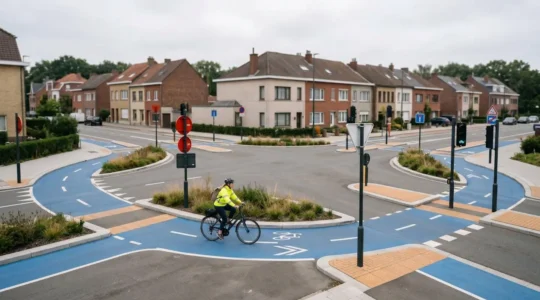
LTNs and Superhighways: How to Use New Cycle Infrastructure Safely?
Navigating new urban cycle infrastructure can be confusing, leading to hesitation and risk. The key to safety isn’t just memorising rules, but understanding the ‘predictive logic’ behind the design. This guide decodes the language of Low Traffic Neighbourhoods, CYCLOPS junctions,…
Read more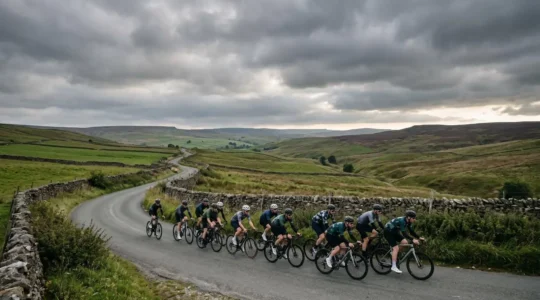
Why Join a British Cycling Affiliated Club Instead of Riding Solo?
Joining a cycling club is less about being fast enough and more about entering a supportive system designed for safety and improvement. Clubs provide a crucial financial safety net through third-party liability insurance, a protection solo riders often lack. They…
Read more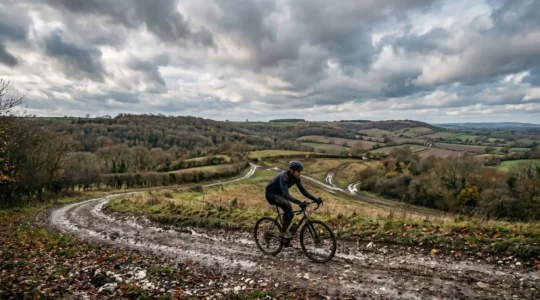
Mud, Chalk, and Flint: How UK Gravel Differs from the American Dream?
In summary: UK gravel is not about long, straight roads but technical, constantly changing surfaces that demand specific skills and equipment. Smooth, fast-rolling tyres suited for US gravel are a liability on Britain’s wet, greasy chalk and muddy bridleways; knobbly…
Read more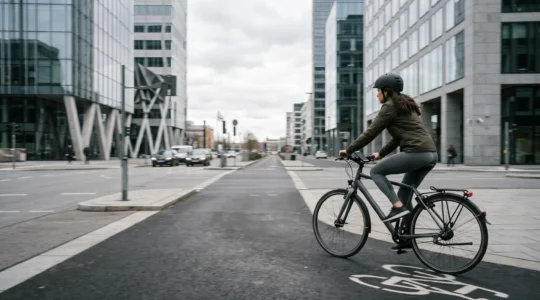
Komoot, Strava, or Google Maps: Which App is Best for City Navigation?
For casual city cyclists using a phone, Komoot is the superior navigation tool, but Google Maps remains essential for specific situations. Strava is a performance tracker first; its navigation is powerful but secondary to its social and segment-chasing features. Google…
Read more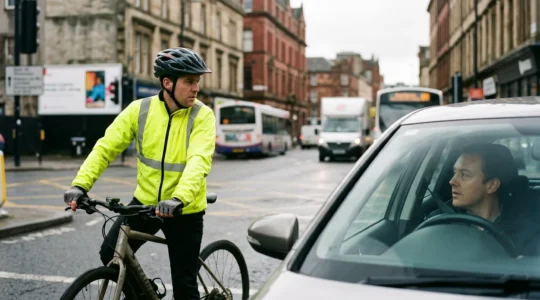
Eye Contact and Positioning: How to Predict Driver Behaviour Before It Happens?
Many cyclists believe safety is a matter of bright clothing and following rules. This guide argues for a more profound approach: true road safety is an active psychological skill. It’s about predicting driver behaviour by understanding their blind spots and…
Read more
Why Riding “Too Easy” Is the Hardest Discipline to Master for Amateurs
Contrary to popular belief, the greatest barrier to cycling speed isn’t a lack of intensity, but a failure to master disciplined, low-intensity training. Riding “easy” in Zone 2 is an active skill that rewires your body to burn fat, clear…
Read more
Why Spending £100 on Bib Shorts Is Better Than Upgrading Your Saddle?
The fastest way to eliminate saddle sores and dramatically increase comfort is not to buy a new saddle, but to invest that same money in a single, high-quality pair of bib shorts. The chamois pad is a technical component where…
Read more