Urban style
Urban cycling style isn’t about lycra or racing stripes. It’s the art of moving through city streets on two wheels while maintaining the life you already have—work meetings, social appointments, grocery runs—without requiring a complete wardrobe change or lifestyle overhaul. This approach to cycling treats your bike as genuine transportation, not a weekend hobby, which means solving very specific challenges: arriving at destinations looking presentable, protecting expensive equipment in tight living spaces, and navigating complex urban infrastructure alongside pedestrians, buses, and impatient drivers.
The riders who’ve mastered urban style have learned to think systematically about clothing that works on and off the bike, cargo solutions that don’t scream “cyclist,” and theft prevention strategies that actually match real-world behaviour. They’ve figured out which cycle routes save mental energy rather than just minutes, and how to share space with other road users without constant conflict. This comprehensive resource brings together the practical knowledge you need to ride confidently through the city, addressing everything from the technical details of sweat management to the social dynamics of navigating shared spaces.
The Urban Cyclist’s Wardrobe: Function Meets Everyday Style
The clothing challenge for urban cyclists is uniquely difficult: you need garments that perform during physical exertion but don’t look out of place in normal social settings. Traditional cycling kit solves the performance problem brilliantly but creates a social barrier. Street clothes solve the appearance problem but fail mechanically after months of pedalling stress.
Where Regular Clothing Fails
Standard jeans and trousers weren’t designed for the repetitive leg movements and seated posture of cycling. The crotch seam experiences constant friction and stretching, typically resulting in visible wear or catastrophic failure within three to four months of daily riding. Similarly, non-technical shirts trap moisture against your skin, which feels comfortable while you’re generating heat but becomes uncomfortably cold the moment you stop at traffic lights or step inside air-conditioned buildings.
The Technical Solution That Doesn’t Look Technical
Modern urban cycling clothing uses strategic fabric placement—technical, moisture-wicking materials in high-sweat zones like the back and underarms, combined with natural fibres in visible areas that maintain a normal appearance. Look for trousers with gusseted crotches and stretch panels that accommodate cycling movement, and shirts with merino wool or synthetic blends that manage sweat while looking like ordinary clothing.
Adaptability Across Conditions
Urban riders face a specific layering challenge: you need enough insulation for the ride but can’t carry bulky outer layers into meetings or restaurants. The three-layer system provides the answer—a base layer managing moisture, a mid-layer providing adaptable insulation, and an outer layer blocking wind and rain. Each piece should be compact enough to fold into your bag once you’ve warmed up or reached your destination.
Safety Without the Visibility Vest
Reflective elements don’t need to be obvious under daylight. Modern urban cycling clothing incorporates retro-reflective details in seams, logos, or trim that appear as normal design elements in ambient light but illuminate brightly when car headlights strike them. This stealth approach to visibility lets you maintain a professional or casual appearance while remaining conspicuous to drivers during low-light conditions.
Carrying Your Life: Bags and Cargo Solutions
Urban cyclists need to transport laptops, change of clothes, lunch, gym kit, and occasionally groceries—all while keeping these items secure, dry, and accessible. The wrong bag makes every ride uncomfortable and announces your cyclist status in every non-cycling setting.
Capacity Planning: 15L vs. 30L
Most daily commuters overestimate their cargo needs. A 15-litre pannier or backpack comfortably holds a laptop, change of shirt, lunch, and basic toiletries—sufficient for straightforward commuting. The 30-litre option becomes necessary only when you’re regularly carrying gym clothes, shoes, and towel alongside work essentials, or doing grocery shopping on the return journey. Larger bags paradoxically create organisation problems, as they allow items to shift and tangle.
The Organisation Challenge
Large, single-compartment bags become chaotic quickly. Cables wrap around keys, pens leak onto documents, and finding your phone requires excavating the entire contents. Effective systems use small pouches or internal dividers to create dedicated zones—one for electronics and cables, another for personal items, a separate waterproof section for potentially wet clothing. This compartmentalisation takes discipline to maintain but saves significant time and frustration.
The Social Test
A pannier that’s perfect for riding may look absurd when carried into a client meeting or restaurant. Convertible designs with removable or concealable mounting hardware and neutral styling pass more easily between contexts. The shoulder strap quality matters enormously—a thin, poorly padded strap identifies the bag as cycling-specific equipment, while a proper padded strap makes it indistinguishable from conventional messenger bags or briefcases.
Protecting Your Investment: Storage and Security
Urban cyclists face constant tension between accessibility and security. The easier your bike is to grab for spontaneous trips, the easier it becomes for opportunistic thieves.
Storage in Small Spaces
Heavy e-bikes present particular challenges in flats without ground-floor access or dedicated bike storage. The hallway versus balcony decision involves weighing security, weather protection, and household harmony. Hallway storage keeps the bike immediately accessible and away from weather but consumes valuable living space and can create conflict with partners or flatmates. Balcony storage solves the space issue but exposes the bike to the elements and requires covers or additional weather protection. Wall-mounted hooks or vertical storage systems can reclaim floor space but require landlord permission and proper wall fixings capable of supporting 20-30 kilograms.
Theft Prevention Strategies
The unfortunate reality is that any bike left outside overnight faces dramatically increased theft risk compared to bikes locked during daylight hours. Professional bike thieves operate during low-activity periods with power tools that defeat even premium locks given enough time. Beyond quality locks, the most effective strategy involves making your bike less attractive to thieves—removing lights and accessories, using mismatched components, or deliberately adding cosmetic imperfections that signal low resale value without compromising functionality.
Battery Management for E-Bikes
Running out of battery power mid-week transforms an e-bike from convenient transportation to an unwieldy burden. The Sunday charge ritual establishes a weekly routine that ensures full power at the start of your busy period. Most urban riders need two to three charges weekly, but establishing a consistent schedule prevents the gradual depletion that leaves you stranded on Thursday morning. Remove the battery for indoor charging when possible, as extreme temperatures significantly reduce battery lifespan and capacity.
Navigating the Urban Landscape
Route selection profoundly impacts your daily cycling experience. The fastest route on paper often proves mentally exhausting in practice, while slightly longer alternatives can transform cycling from stressful to genuinely pleasant.
Quiet Streets vs. Cycle Superhighways
Dedicated cycle infrastructure seems like the obvious choice, but busy cycle superhighways bring their own stresses—faster cyclists overtaking aggressively, crowding at intersections, and the pressure to maintain higher speeds. Parallel quiet streets often add only minutes to journey time while eliminating the constant vigilance required on major routes. The mental energy saved by avoiding heavy traffic and complex junctions frequently outweighs the time cost, making you more alert and relaxed upon arrival.
Understanding New Infrastructure
Modern junction designs like Cyclops (cycle-optimised protected signals) create safer conditions but introduce unfamiliar priority rules. These junctions typically give cyclists dedicated signal phases and protected waiting areas, but many riders remain uncertain about when to proceed or how to interact with turning motor vehicles. Taking time to understand the specific design of junctions on your regular route—watching the full signal cycle, noting where pedestrians have priority, identifying potential conflict points—builds confidence and reduces hesitation that can create dangerous situations.
Sharing Space Gracefully: Urban Cycling Etiquette
Urban cyclists interact constantly with pedestrians, bus passengers, horse riders, and other vulnerable road users. How you manage these interactions determines whether you’re seen as a legitimate road user or a nuisance.
The bicycle bell exists precisely for these moments—a polite audio signal that announces your presence without aggression. When approaching pedestrians or slower cyclists from behind, a gentle bell ring from several metres away gives them time to become aware and adjust position naturally. Shouting “excuse me” or passing silently both create problems: shouting sounds aggressive and can startle, while silent passing provides no warning and often results in sudden movements as people notice you at the last moment.
Bus stop bypasses—where the cycle lane continues behind the bus stop shelter—create confusion about priority. The design typically gives pedestrians priority when crossing to board or alight from buses, requiring cyclists to slow and yield. Maintaining moderate speed through these areas and making eye contact with waiting passengers prevents conflicts and demonstrates that cyclists can share space responsibly.
When sharing rural paths with horse riders, deceleration and verbal communication become essential. Horses startle easily at unexpected sounds or rapid movements, so slow to walking pace well in advance and call out calmly to let the rider know you’re approaching. Pass only when the rider indicates it’s safe, giving maximum space. These interactions happen infrequently for most urban cyclists but managing them properly builds goodwill for all cyclists.
The Seamless Transition: From Saddle to Social Settings
Arriving at destinations looking dishevelled undermines the practical advantages of cycling. Mastering the quick transition from rider to professional or social participant removes one of the major psychological barriers to urban cycling.
The Five-Minute Change
Efficient transitions require advance preparation. Keep a minimal change kit packed and ready—fresh shirt, deodorant, face wipes, and any necessary accessories. Identify changing facilities near your regular destinations, whether that’s an office bathroom, café washroom, or gym. The actual change process should follow a consistent sequence: cool down for two minutes before changing (preventing continued sweating), wipe face and neck, change shirt, apply deodorant, sort hair, pack cycling clothes. This systematic approach prevents the common mistake of changing immediately upon arrival while still sweating, which simply transfers moisture to fresh clothing.
Managing Helmet Hair
Hair disruption from helmet use bothers many urban cyclists more than any other aspect of the activity. Short-term solutions include carrying a small brush or comb, using dry shampoo to restore volume, or dampening hair slightly to restyle. Longer-term adaptations involve choosing hairstyles that tolerate compression—shorter cuts generally recover better than longer styles, and wearing hair completely up or completely down works better than half-up styles that create pressure points. Some riders find that slightly loosening their helmet (while maintaining safety) reduces the compression that causes flattening.
Practical Considerations: Insurance and Maintenance
Urban cycling involves ongoing practical decisions about protection, maintenance, and equipment management that don’t require daily attention but significantly impact the long-term experience.
Cycle insurance becomes particularly relevant when you’re riding regularly through cities where theft and accident risks increase. However, many cyclists overestimate what they need. If you’re riding a practical urban bike rather than an expensive carbon road bike, the premiums for comprehensive insurance may exceed the bike’s actual replacement value within a few years. Third-party liability coverage matters more for urban riders, protecting you if you damage property or injure someone, though this often comes included with household insurance or membership in cycling organisations.
Regular maintenance prevents the gradual degradation that makes cycling unpleasant. Urban riding—with frequent stops, starts, and exposure to road grime—wears components faster than leisure cycling. Establishing simple weekly checks (tire pressure, brake function, chain lubrication) takes minutes but prevents the cascade of problems that result from neglect.
Urban cycling style ultimately means building a sustainable system that makes cycling your default choice for city transportation. It requires solving practical problems around clothing, cargo, security, navigation, and social integration—but once these systems are in place, riding becomes simpler than the alternatives. The riders who succeed long-term are those who’ve stopped thinking of themselves as “cyclists” making special accommodations, and instead see the bike as simply the most efficient, reliable, and pleasant way to move through urban space.
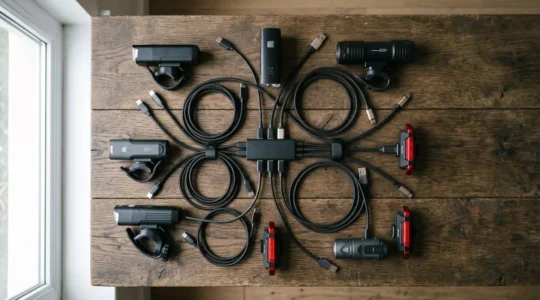
USB-C vs. Micro-USB: How to End the Charging Chaos of Your Bike Lights
The secret to never running out of power isn’t the light you buy, but the charging ecosystem you build. Treat charging as a weekly routine with a dedicated station, not a last-minute panic. Understand that USB ports, battery aging, and…
Read more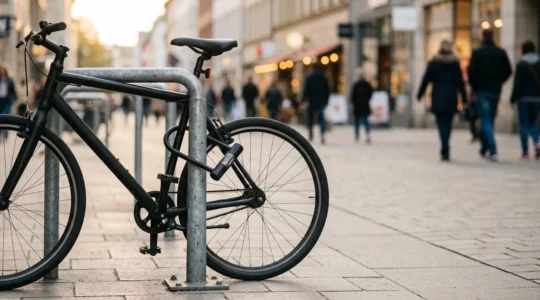
Think Like a Thief: Why Your Parking Spot Is More Important Than Your Lock
You think a big, expensive lock is enough to protect your bike in a city like London or Bristol. It’s not. I’m telling you, as someone who used to be on the other side, your security isn’t in one tool….
Read more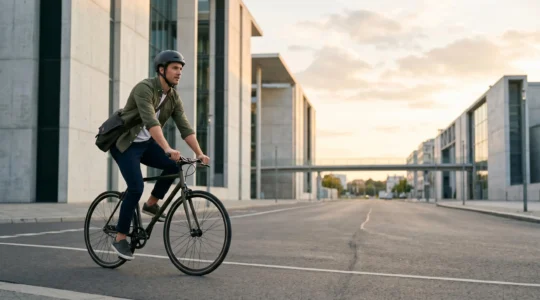
Chinos or Lycra: Can You Really Ride 10 Miles in “Normal” Trousers?
The belief that you must choose between looking professional and cycling comfortably is a myth built on poor material choices. Standard cotton denim and chino fabrics fail under the unique stresses of cycling, leading to premature wear and discomfort from…
Read more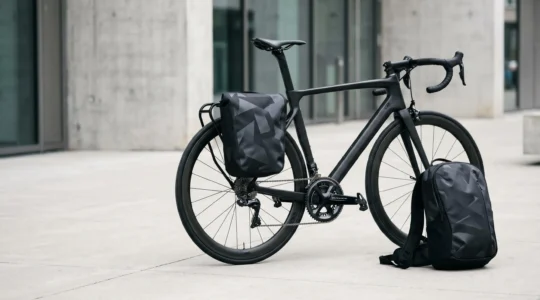
Backpack or Pannier: Which Is Best for Carrying a Laptop on a Carbon Road Bike?
Carrying a laptop on a carbon road bike demands more than choosing a bag; it requires an integrated system that preserves agility and speed. Modern axle-mounted racks solve the “no eyelets” problem and are the safest way to load a…
Read more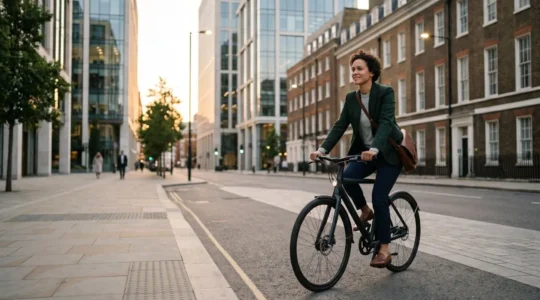
How to Look Like a Professional While Commuting by Bike in London?
The secret to a polished arrival isn’t changing your identity, but curating your commute. Integrate high-performance, office-appropriate apparel into your daily wardrobe. Master the five-minute transition with smart grooming hacks and strategic packing. Recommendation: Embrace the commute as a statement…
Read more
How to Be Seen on Dark Country Lanes Without Looking Like a Construction Worker?
Effective visibility for cyclists isn’t about blinding brightness; it’s about being intelligently conspicuous by solving a design problem, not a luminance one. Your brain instinctively recognizes human motion. Placing reflective material on your ankles (bio-motion) makes you far more identifiable…
Read more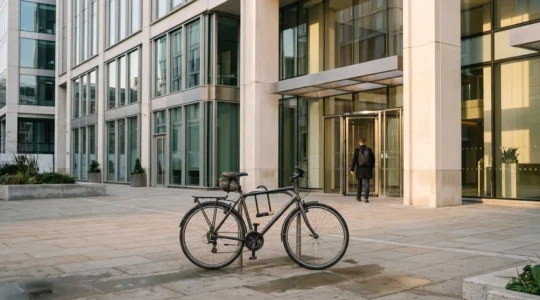
How to Commute 15 Miles Daily in the UK Without Arriving at the Office Sweaty
Mastering a long bike commute is not about avoiding sweat, but about executing a flawless ‘System Reset’ upon arrival to transform from cyclist to professional in minutes. Success hinges on pre-planned systems for hygiene, logistics, and gear—not on having an…
Read more