Travel and adventures
Cycling adventures represent a unique intersection between athletic challenge and outdoor exploration. Whether you’re planning your first overnight bikepacking trip, preparing for a multi-day sportive, or venturing onto gravel routes far from mobile coverage, these journeys demand a different skillset than your usual weekend rides. The difference isn’t just about fitness—it’s about navigation in remote areas, self-sufficiency when facilities are scarce, and making smart decisions when conditions change unexpectedly.
The barrier to entry is lower than many cyclists imagine. You don’t need an expensive bikepacking setup or ultra-endurance credentials to start exploring beyond your local loops. What you do need is practical knowledge: how to find rideable routes in unfamiliar terrain, what to pack without overloading your bike, where to sleep when you’re between towns, and when to adapt your plans rather than push through adversity. This guide brings together the essential knowledge areas that transform a cyclist into a confident adventure rider.
Navigation and Mapping for Remote Cycling
Getting lost on a cycling adventure isn’t just frustrating—it can turn a challenging day into a genuinely dangerous situation. Rural areas, mountain valleys, and coastal paths often lack the mobile signal most riders take for granted, making real-time navigation apps unreliable precisely when you need them most.
Why Offline Maps Are Non-Negotiable
The assumption that your smartphone will always have data is the single biggest navigation mistake adventure cyclists make. Valleys in Wales, Scottish highlands, and remote countryside throughout the UK and beyond frequently have zero mobile coverage for extended stretches. Relying on Google Maps in these environments leaves you vulnerable the moment you lose signal—and you often won’t regain it for hours. Downloading maps in advance to your device ensures you maintain navigational awareness regardless of network availability. Most dedicated cycling apps allow offline functionality, but this feature is worthless unless you’ve actually downloaded the relevant map tiles before departing.
Choosing the Right Mapping Tools
Not all mapping platforms are created equal for cycling adventures. Consumer navigation apps like Google Maps excel at roads and urban areas but frequently lack the detail needed to distinguish between a rideable bridleway and a footpath where cycling is prohibited. Specialist platforms like OS Maps provide crucial information about rights of way, surface types, and terrain features that determine whether a route is actually suitable for your bike and legal to ride. Understanding which paths you’re legally entitled to use—particularly bridleways versus footpaths in the UK—prevents confrontations with landowners and the frustration of reaching dead ends. Investing time in learning one comprehensive mapping tool before your trip pays dividends when you need to navigate confidently or plan alternative routes on the fly.
Planning Your Cycling Adventure
The planning phase determines whether your adventure becomes a cherished memory or a logistical nightmare. The decisions you make months in advance—which event to enter, where to sleep, what to pack—fundamentally shape your experience on the road.
Choosing the Right Type of Event or Route
Adventure cycling encompasses a spectrum of experiences, from fully supported sportives with feed stations every 30 kilometres to self-sufficient bikepacking routes where you carry everything you need. Your first decision is selecting an adventure that matches your current fitness and experience level. A hilly sportive with 2,000+ metres of climbing can break the spirit of a rider accustomed to flat terrain, while an ambitious bikepacking route like the King Alfred’s Way might prove overwhelming for someone who’s never spent a night away from home on a bike. Gravel events occupy a middle ground—they offer the camaraderie and structure of organised rides but often venture into remote terrain where self-sufficiency matters. Start with events that stretch your abilities without overwhelming them, then build progressively toward more ambitious challenges.
Accommodation and Logistics
Where you sleep has cascading effects on what you need to carry, how early you must book, and how much flexibility you maintain. Popular sportives in tourist areas during summer often require booking accommodation six months in advance—waiting until a few weeks before the event may leave you facing a 30-kilometre drive to the nearest available bed. Bikepacking offers more spontaneity but demands different skills: identifying legal camping spots, carrying shelter and cooking equipment, and accepting a certain level of discomfort. Coastal towns in peak season present particular challenges—the balance between booking ahead for certainty versus maintaining route flexibility becomes crucial. Consider also your post-ride logistics: if you’re driving home after a seven-hour ride, factor in fatigue management strategies to ensure you reach home safely.
Packing and Gear Strategies
What you bring and how you carry it directly impacts your comfort, performance, and ability to handle unexpected situations. Packing for an adventure ride requires balancing preparedness against the performance penalty of excess weight.
What to Bring and How to Pack It
The packing challenge differs dramatically between supported sportives and self-sufficient bikepacking. For sportives, you need two distinct kits: essentials for the start line (tools, spares, nutrition, weather protection) and items for the hotel (recovery gear, casual clothing, toiletries). The classic mistake is overpacking the ‘just in case’ bag with items you’ll never use while forgetting ride-critical spares. For bikepacking, weight distribution matters as much as what you carry. Placing heavy items like cooking equipment in a seat pack raises your bike’s centre of gravity and creates unwelcome handling instability—heavier items belong in frame bags or low-mounted panniers. Every item should justify its weight: if you haven’t used something on your last three trips, it probably doesn’t need to come on the next one.
Hydration Systems for Long Rides
Carrying sufficient water on remote routes presents a genuine challenge, particularly on full-suspension bikes where frame space is limited. The bottles-versus-bladder debate ultimately depends on your bike’s geometry and your route’s water sources. Bottles offer easier refilling and cleaning but may limit you to two litres or less on bikes without multiple mounting points. Hydration bladders can carry three litres or more and fit into backpacks or frame bags, but they’re harder to refill, monitor, and clean. On remote routes where water sources are uncertain, carrying capacity trumps convenience—dehydration undermines both performance and decision-making. Research your route’s reliable water points in advance, and carry capacity appropriate to the longest dry section plus a safety margin.
Self-Sufficiency on Multi-Day Trips
Extended cycling adventures often take you far from shops, restaurants, and bathrooms. Developing comfort with outdoor living skills transforms these situations from stressful to liberating.
Camping and Stealth Camping
For bikepacking purists and budget-conscious adventurers, wild or stealth camping eliminates accommodation costs while maximising route flexibility. The key is finding spots where you won’t be disturbed or cause problems. Look for locations away from buildings, roads, and occupied land—forest edges, high moorland, and coastal areas often provide suitable sites. Arrive late, leave early, and leave no trace of your presence. Legal considerations vary by location: Scotland offers broad access rights, while England and Wales are more restrictive. Understanding local regulations prevents problems and shows respect for landowners. Even if you plan to use formal campsites or accommodations, carrying basic overnight equipment provides a safety net if you misjudge distances or face unexpected delays.
Staying Clean Without Facilities
When you’re two days from a proper bathroom, personal hygiene requires creativity. The wet wipe shower is adventure cycling’s open secret—it won’t replace a proper wash, but strategic use of biodegradable wipes handles the essential areas and maintains basic comfort. Baby wipes or specialist outdoor hygiene wipes work well. Focus on areas that affect comfort and prevent chafing: face, underarms, feet, and chamois area. A small quick-dry towel and travel-size dry shampoo extend the time between proper showers. This isn’t about pristine cleanliness—it’s about maintaining sufficient hygiene to prevent skin problems and preserve enough social acceptability to enter shops and cafes when you need supplies.
Safety and Decision-Making on the Road
The most important skill in adventure cycling isn’t fitness or bike handling—it’s judgement. Knowing when to push on and when to modify your plans keeps adventures challenging rather than dangerous.
Weather and Route Management
Mountain weather changes rapidly, and what began as a manageable challenge can deteriorate into a genuine emergency. Recognizing when to bail out on a mountain route requires honest assessment of conditions, your capabilities, and available alternatives. Warning signs include: deteriorating visibility that compromises navigation, sustained rain that risks hypothermia, or wind that makes bike control difficult. Having a bail-out plan before you need it is crucial—identify lower-altitude alternatives, potential shelter, or roads where you could call for assistance. Pride keeps many cyclists on routes long after wisdom suggests retreat. Remember that abandoned plans are disappointing; accidents and hypothermia are dangerous.
Balancing Ambition with Reality
The detour trap catches enthusiastic adventurers repeatedly: that scenic viewpoint or interesting alternative route adds ‘only’ 10 kilometres and 200 metres of climbing. Do this three times in a day and suddenly you’ve added 30 kilometres to your planned distance—which might mean arriving at your accommodation after dark or missing a crucial supply stop. Setting realistic daily mileage targets based on terrain and your loaded bike weight, then protecting that plan against attractive but costly diversions, keeps your adventure on track. Views and exploration are valuable, but not when they compromise your safety or force you to ride beyond your limits. The best adventures balance ambition with achievable daily targets, leaving you tired but satisfied rather than exhausted and stressed.
Cycling adventures offer rewards that ordinary rides simply can’t match—the satisfaction of self-sufficiency, the discovery of places your car would never reach, and the confidence that comes from navigating challenges far from home. The key to unlocking these experiences isn’t advanced fitness or expensive equipment—it’s practical knowledge applied thoughtfully. Master navigation for remote areas, plan logistics carefully, pack strategically, develop basic outdoor living skills, and maintain good judgement when conditions change. Start with adventures that stretch your current abilities modestly, build skills progressively, and soon you’ll find that the rides you once considered impossible have become your most treasured memories.
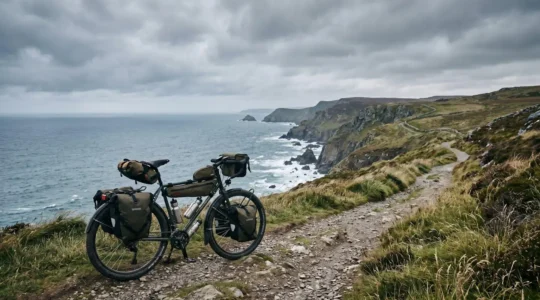
Salt, Wind, and Hills: The Specific Challenges of Touring the UK Coast
The romantic vision of UK coastal touring is a trap; true success lies in treating salt, wind, and hills not as scenery, but as relentless adversaries requiring specific, systematic countermeasures. Salt isn’t just cosmetic; it’s a corrosive agent demanding a…
Read more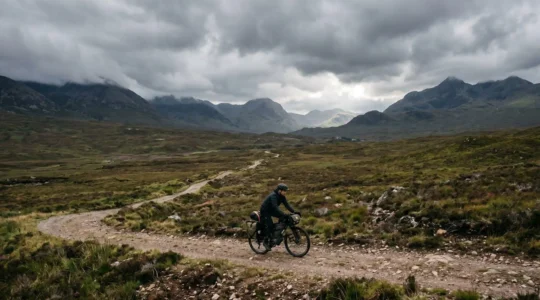
Highlands Survival: Preparing for Remote Solo Bikepacking in Scotland
Success in the Highlands isn’t about the lightest gear; it’s about mastering robust survival systems and making critical decisions before you’re in trouble. Your mindset and decision-making frameworks for weather, repairs, and navigation are more valuable than any single piece…
Read more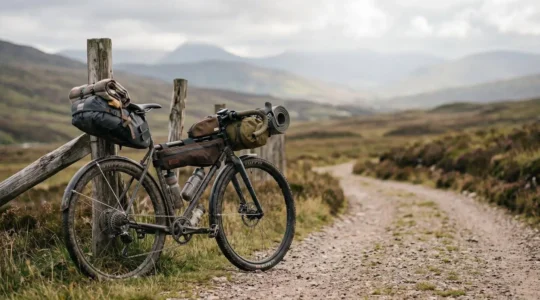
Credit Card or Camping: Defining Your Bikepacking Style for the First Trip
The key to your first bikepacking trip isn’t buying the most expensive gear; it’s deciding what kind of adventurer you want to be. Your gear choices are a series of trade-offs between weight, comfort, and cost, not a simple shopping…
Read more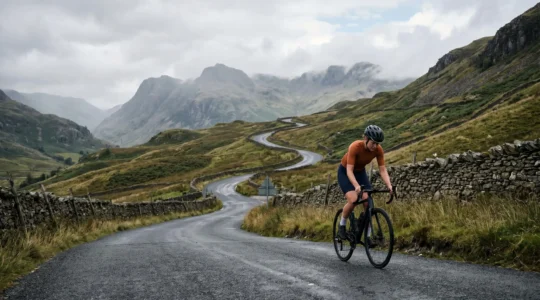
How to Survive Your First UK Sportive: A Logistics Guide for the Fred Whitton or Dragon Ride
In summary: Success in a monster sportive is 80% logistics and 20% legs; master the ‘unseen race’ before the start line. Book accommodation the moment you get your entry; a bad night’s sleep is the first ‘logistical bonk’. Systematise your…
Read more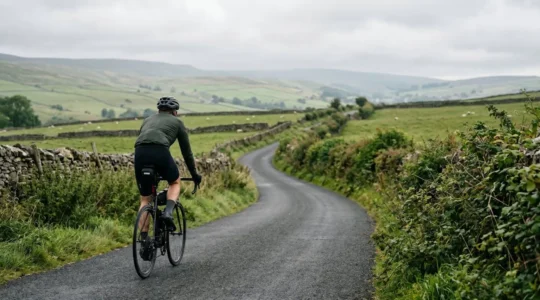
Komoot vs. Strava Routes: Which Planner Finds the Best Quiet Lanes in the UK?
The best UK route planner isn’t Komoot or Strava—it’s the rider who understands the unique “digital DNA” of both platforms to unlock hidden roads. Komoot excels at unearthing true hidden gems by leveraging detailed OpenStreetMap layers, surface type data, and…
Read more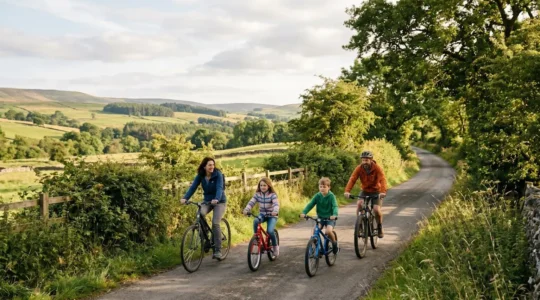
How to Plan a 20-Mile Family Ride on the National Cycle Network Without Tantrums?
In summary: Success depends on ‘morale logistics’—proactively managing comfort, certainty, and fun—not just endurance. Plan your route based on the ‘surface bottleneck’: the least capable bike in your group dictates the terrain. Use strategic snack breaks and ‘adventure objectives’ like…
Read more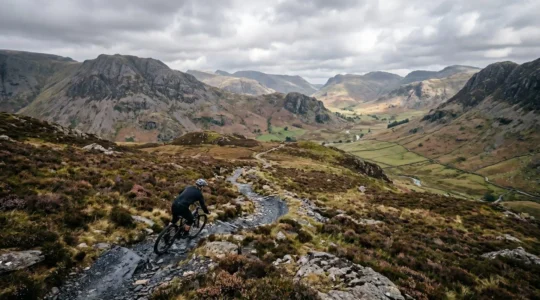
How to Maintain Flow on Rocky Lake District Trails Without Braking Constantly?
In summary: True flow comes from a system of proactive control, not just releasing the brakes. Master the “Now-Next-Later” vision technique to read the trail far ahead of your front wheel. Your attack position, with heels down and light hands,…
Read more