Choosing your bike
Choosing the right bike isn’t about finding the most expensive model or following the latest trends—it’s about understanding how different elements work together to match your specific needs. Whether you’re commuting through city traffic, tackling weekend club rides, or planning multi-day tours, every aspect of a bicycle—from frame geometry to component selection—plays a crucial role in how it performs and feels beneath you.
The sheer variety of options available can feel overwhelming at first. Road bikes, gravel bikes, hybrids, tourers, fixed-gear machines, and electric-assist models each serve distinct purposes, whilst frame materials, geometry measurements, and component choices add layers of complexity. However, once you understand the fundamental principles that govern bicycle design and performance, the decision-making process becomes considerably clearer.
This comprehensive resource breaks down the critical factors that should inform your choice. We’ll explore how different bike types suit various riding scenarios, why frame geometry affects handling and comfort, which materials offer genuine advantages for your intended use, and how components like gearing and wheels impact your daily riding experience. By the end, you’ll possess the knowledge needed to make an informed decision that you won’t regret six months down the road.
Understanding Different Bike Types and Their Purpose
The first decision in choosing your bike involves identifying which category of bicycle aligns with your primary riding intentions. Each type has evolved to excel in specific scenarios, and attempting to force one type into the wrong role often leads to frustration.
Road bikes prioritise speed and efficiency on tarmac, featuring lightweight frames, narrow tyres, and aggressive geometry that positions you forward for aerodynamic advantage. They’re ideal for fitness riding, club runs, and sportives, but struggle on rough surfaces. Gravel bikes modify this formula with relaxed geometry, wider tyre clearance (typically 40-45mm), and often feature flared handlebars that provide additional control on loose surfaces whilst maintaining road bike efficiency on tarmac.
Hybrid bikes occupy the middle ground, combining upright positioning with moderate tyre width. They’re exceptionally versatile for mixed-surface riding—perfect for railway paths, towpaths, and urban commuting where you encounter both smooth tarmac and occasional gravel. However, this versatility comes with compromise: they’re neither as fast as road bikes nor as capable as dedicated gravel machines on technical terrain.
Touring bikes prioritise load-carrying capacity and long-distance comfort over outright speed, featuring robust construction, stable geometry, and mounting points for racks and mudguards. Fixed-gear bikes eliminate freewheeling mechanisms, creating a direct connection between pedalling and wheel rotation that some riders value for winter training and mechanical simplicity. Electric-assist bikes add motor support, making longer commutes or hillier terrain accessible, though motor noise levels vary significantly between brands—a consideration if you frequently use shared cycle paths.
Frame Materials: Beyond the Marketing Hype
Frame material debates often generate more heat than light, with marketing claims obscuring practical realities. Understanding what different materials actually offer helps cut through the confusion.
Carbon fibre dominates high-performance cycling due to its exceptional strength-to-weight ratio and vibration-damping properties. Modern carbon frames can be engineered to offer specific ride characteristics—stiff where power transfer matters, compliant where comfort counts. However, the quality spectrum is vast: premium carbon offers genuine advantages for long days in the saddle, whilst budget carbon may sacrifice durability or ride quality.
High-end steel, particularly chromoly (chromium-molybdenum alloy), remains the material of choice for many touring bikes and custom frames. Steel’s natural compliance absorbs road vibration effectively, creating a characteristically smooth ride that many cyclists prefer for all-day comfort. It’s also readily repairable—a significant advantage for touring in remote areas. The weight penalty compared to carbon is modest on practical bikes fitted with racks, mudguards, and touring gear.
The carbon versus steel decision isn’t about one being objectively superior; it’s about matching material properties to your priorities. For racing or fast group rides where weight and aerodynamics matter, carbon offers measurable advantages. For loaded touring, reliability, repairability, and long-distance comfort often favour quality steel. For general riding, either material can serve excellently when the frame is well-designed and properly fitted.
Aluminium deserves mention as a durable, affordable option that offers good stiffness for power transfer, though it typically transmits more road vibration than carbon or steel. Titanium combines many advantages of both steel and carbon but commands a significant price premium.
Geometry: How Your Bike Handles and Fits
Frame geometry represents the hidden language of bicycle design—measurements that profoundly affect handling, comfort, and performance, yet often receive insufficient attention from buyers focused on more visible features.
Race Geometry Versus Endurance Geometry
The distinction between race geometry and endurance geometry fundamentally alters how a bike positions you and responds to input. Race geometry features a lower, more stretched position that reduces aerodynamic drag and improves power transfer during aggressive riding. However, this position becomes uncomfortable during extended periods, particularly for riders with limited flexibility or core strength.
Endurance geometry raises the handlebar position relative to the saddle through a taller head tube and shorter reach, creating a more upright posture that reduces lower back and neck strain. For amateur riders tackling sportives or long weekend rides, this geometry often delivers better real-world performance by maintaining comfort and reducing fatigue, even if it sacrifices marginal aerodynamic gains.
Trail: The Steering Feel You Never Knew Existed
Trail—the distance between where the front tyre contacts the ground and where the steering axis would meet the ground—determines steering responsiveness and stability. Low trail (typically under 55mm) creates quick, nervous steering suited to unloaded riding. High trail (65mm and above) produces stable, self-centring steering that becomes essential when carrying front panniers on touring bikes, preventing the dreaded front-end wobble under load.
Chainstay Length and Its Practical Impacts
Longer chainstays (the rear triangle tubes connecting the bottom bracket to the rear axle) serve multiple purposes. They prevent heel strike on panniers, reduce the likelihood of front-wheel lifting during steep climbs, and create a more stable, planted feeling when descending with luggage. Shorter chainstays make bikes feel more agile and playful but can cause issues with mudguard clearance and load carrying.
Bottom Bracket Drop and Stability
BB drop—how far the bottom bracket sits below the wheel axles—lowers your centre of gravity, enhancing stability, particularly valuable when riding with cargo. However, excessive drop can cause pedal strikes when cornering on uneven surfaces, a balance that manufacturers tune according to the bike’s intended purpose.
Cockpit Setup: Where Rider Meets Machine
The cockpit—your handlebar, stem, and brake lever configuration—creates the primary interface between you and the bicycle. Getting this area correct profoundly affects comfort, control, and confidence.
Bar width should roughly match your shoulder width for optimal breathing and control. Bars that are too wide compromise aerodynamics and cause shoulder fatigue; bars too narrow reduce stability, particularly during descents. Many riders find that slightly narrower bars than traditionally recommended actually improve their downhill confidence by allowing more precise steering inputs.
Stem length works in conjunction with frame reach to establish your riding position. A stem that’s too long stretches you out excessively, creating discomfort and reducing weight over the front wheel during climbs. A stem that’s too short can make steering feel overly sensitive and compromise aerodynamics. Most riders benefit from stems between 80mm and 120mm, though this varies with frame geometry and individual proportions.
Flared handlebars, increasingly popular on gravel bikes, angle the drops outward to provide additional leverage and control on rough terrain. However, this flare affects brake lever position—levers mounted for optimal hoods comfort may become difficult to reach when riding in the drops. If you’re considering flared bars, test the brake reach in multiple hand positions before committing.
Cockpit setup isn’t about copying professional riders or following generic formulas. It’s about creating a position that you can sustain comfortably for your typical ride duration whilst maintaining control and power delivery. Small adjustments—a 10mm shorter stem, 20mm narrower bars—can transform a bike’s feel.
Components: Gearing, Wheels and Performance Upgrades
Components transform a frame from static sculpture into functional machine, yet knowing where to invest and where to economise requires understanding which elements actually impact your riding experience.
Gearing: Why Your Cassette Dictates Your Cadence
Your cassette range fundamentally determines whether you can maintain an efficient pedalling rhythm across varied terrain. Road gearing optimised for flat routes leaves you grinding miserably on 20% gravel climbs, whilst touring gearing with a very low bottom gear enables comfortable cadence even when fully loaded on steep ascents.
Modern wide-range cassettes (11-34t or even 11-40t) have largely eliminated the need to sacrifice climbing ability for speed, though extremely wide ranges may create larger gaps between gears that some riders find less smooth for cadence control. Consider your local terrain and typical riding scenarios when selecting gearing—there’s little point suffering with inadequate climbing gears to save 100g.
Wheels: Depth, Weight and Real-World Performance
Deep-section wheels offer aerodynamic advantages in controlled conditions but can become a genuine handling liability in gusty British winds, particularly for lighter riders. The free speed gained from aerodynamics becomes irrelevant if you’re fighting to maintain a straight line or feeling nervous descending in crosswinds.
For most riders in most conditions, medium-depth wheels (30-40mm) provide an excellent balance of aerodynamic benefit without the handling compromises of deeper sections. Extremely lightweight wheels feel responsive during acceleration but may sacrifice durability for everyday use.
The Upgrade Question: Where to Invest
The temptation to upgrade components often exceeds the actual performance gains. Saving 50g with carbon pedals for an extra £100 cost rarely delivers noticeable improvement for recreational riders—the same money invested in quality tyres, professional bike fitting, or simply more riding will yield greater returns.
Worthwhile upgrades typically focus on contact points (saddle, bar tape, pedals) that directly affect comfort, or on components that enhance reliability and reduce maintenance (sealed bearings, quality chains). Chasing marginal gains in weight or aerodynamics makes sense for competitive riders but often represents poor value for those primarily seeking enjoyable, reliable transportation.
Safety Equipment and Long-Term Versatility
Choosing your bike extends beyond the bicycle itself to the equipment that protects you and enables the bike to evolve with your changing needs.
Helmet selection involves balancing safety standards, fit quality, and budget constraints. MIPS (Multi-directional Impact Protection System) technology, which allows slight rotation between the helmet and head during angled impacts, represents a meaningful safety advancement. However, fit trumps technology—a £50 helmet that fits correctly offers better protection than a £200 model that’s too large, evidenced by the “wobble test”: if your helmet moves excessively when you shake your head with the strap unfastened, it’s too big regardless of its safety ratings.
Recent independent testing demonstrates that budget helmets meeting current safety standards can provide protection comparable to premium models. The price difference often reflects weight savings, ventilation, and aesthetics rather than core safety performance. Invest in proper fit and certified protection; spending extra for marginal weight savings makes sense only if the helmet fits equally well.
Configuring your bike for multiple roles maximises its versatility and value. A well-chosen commuter bike can transform for Sunday social rides through simple changes: swapping knobbly tyres for slicks, removing racks and mudguards, adjusting tyre pressure. Planning for this versatility when initially choosing your bike—ensuring it has appropriate mounting points, compatible gearing, and geometry suited to both roles—provides far better long-term value than owning multiple specialised bikes that each see limited use.
Similarly, having basic tools and knowledge to perform routine maintenance extends your bike’s life and reduces ongoing costs. The £50 tool kit question is whether you genuinely need every tool immediately or should acquire tools as specific needs arise. Essential tools—tyre levers, multi-tool, chain tool, puncture repair kit—represent worthwhile immediate investment. Specialised tools for infrequent tasks may be better borrowed or accessed through workshop cooperatives until your maintenance skills and frequency justify ownership.
Choosing your bike successfully requires moving beyond marketing claims and aesthetic preferences to understand how frame geometry, materials, components, and intended use intersect. The “perfect” bike doesn’t exist universally—it exists specifically for your body dimensions, riding style, typical terrain, and practical constraints. By systematically evaluating each element covered here against your actual needs rather than aspirational scenarios, you’ll identify the bicycle that serves you reliably for years rather than one that disappoints within months. The right choice isn’t about ticking boxes on a specification sheet; it’s about honest assessment of how you’ll actually ride and what genuinely matters for that riding.
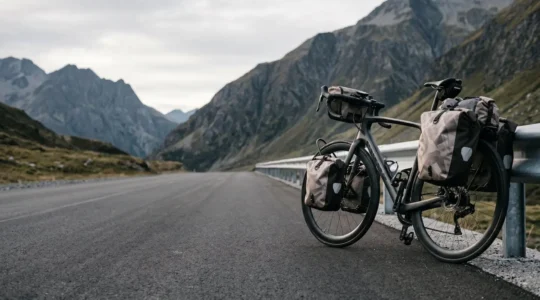
Stability vs. Agility: Why a Race Bike Feels Terrifying with Heavy Panniers?
A loaded bike’s stability isn’t about the bags; it’s about the frame’s geometric DNA dictating its response to weight. Touring bikes use long chainstays, low bottom brackets, and specific trail figures not for aesthetics, but to physically manage the leverage…
Read more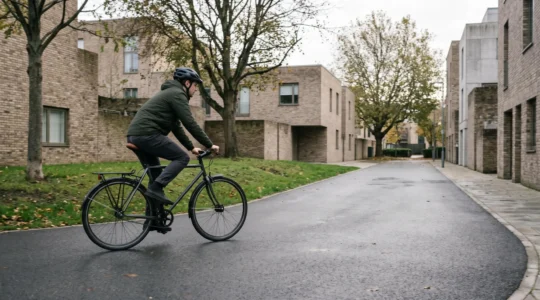
Why a Single-Speed Bike Is the Ultimate Weapon for Flat UK Cities?
A single-speed bike’s true genius isn’t its simplicity, but its strategic elimination of the parts that are guaranteed to fail in the UK’s wet, gritty urban environment. Geared bikes use derailleurs, which are magnets for road salt and grit, leading…
Read more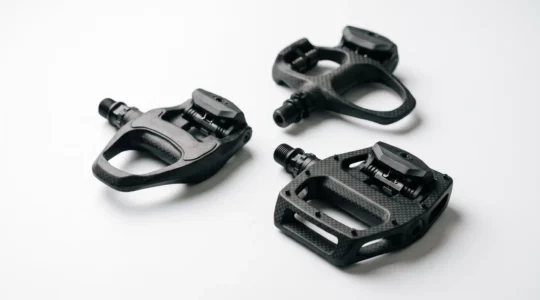
Look, Shimano, or Speedplay: Which Carbon Pedal System Saves Your Knees?
The key to knee-safe cycling isn’t the brand on your pedal, but mastering the physics of the foot-pedal interface. Cleat position dictates leverage, float manages rotational stress, and cadence controls joint torque. Stiffness from a carbon pedal body provides more…
Read more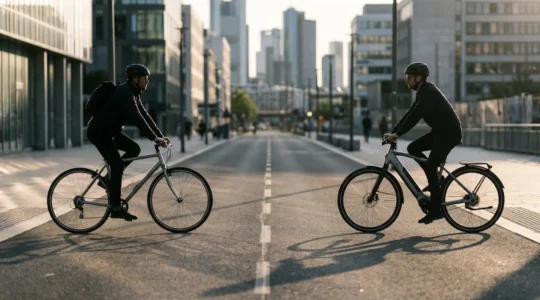
Hybrid or E-Bike: Which One Truly Replaces Your Car for a 10-Mile Commute?
The decision to replace your car isn’t about speed vs. cost; it’s about solving the real-world logistical headaches of daily life. An e-bike excels at neutralizing “logistical friction” like hills, headwinds, and heavy cargo, making the journey consistently low-effort. A…
Read more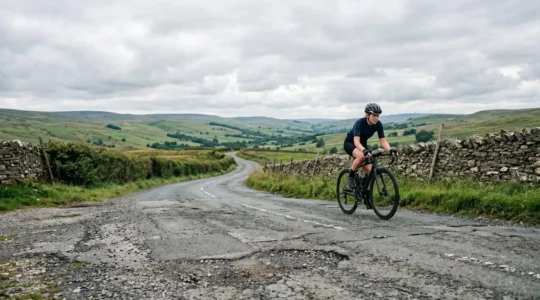
Carbon Frame Stiffness: Is It Ruining Your Ride on Rough British Tarmac?
The relentless pursuit of frame stiffness, a carryover from the pro peloton, is often counterproductive for amateur riders on Britain’s less-than-perfect roads. Frame stiffness provides a psychological “feel” of speed but transmits high-frequency vibrations that cause fatigue and can actually…
Read more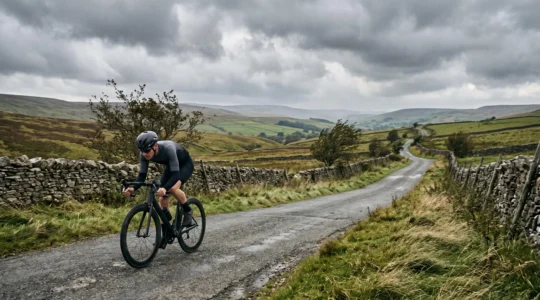
How to Gain 1.5mph on Windy UK Roads Without Buying a New Bike?
The biggest aerodynamic upgrade isn’t a component you can buy; it’s learning to control the 80% of drag created by your own body. Your riding position and loose clothing are likely costing you more watts than your frame or wheels…
Read more